
THE PAST WEEK
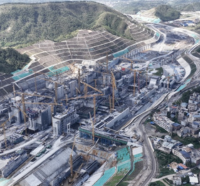
China’s Pinglu Canal signals new trade dynamics for ASEAN
China’s Pinglu Canal could reshape regional trade flows and connectivity, prompting ASEAN to strengthen its infrastructure and logistics networks to capture emerging opportunities. Read more.
Summary: The article argues that China’s 134.2-kilometre Pinglu Canal could significantly reshape trade and economic geography between southwestern China and Southeast Asia. Connecting China’s inland river system to the Beibu Gulf, the canal is expected to shorten shipping routes from southwestern China to the sea by around 560 kilometres, giving inland provinces more direct access to Southeast Asian markets.
For ASEAN, this presents both opportunities and strategic considerations. Greater connectivity could facilitate the movement of agricultural goods, minerals, intermediate products and manufactured goods while bringing Southeast Asian businesses closer to China’s large western hinterland. However, the article cautions against viewing the canal purely as either a geopolitical threat or an economic opportunity. Its development could gradually shift regional trade flows and strengthen China’s economic links with Southeast Asia.
The author argues that ASEAN’s response should be connectivity rather than containment, including stronger ports, railways, customs systems and cross-border logistics. Malaysia, Singapore and Vietnam in particular should prepare their infrastructure to capture emerging trade flows. Ultimately, ASEAN needs to build stronger regional networks so that deeper connectivity with China does not come at the expense of ASEAN’s own economic centrality.

AI accelerates nuclear plans in Thailand and Vietnam, while Philippines boosts geothermal and waste-to-energy
ASEAN is diversifying its energy mix as AI-driven electricity demand accelerates nuclear, geothermal, waste-to-energy and hydropower investments. Read more.
Summary: The latest ASEAN energy developments point to a region rapidly diversifying its power mix while responding to rising electricity demand from AI and data centres. Thailand and Vietnam are accelerating nuclear energy plans, with Thailand moving forward with a policy framework for small modular reactors (SMRs) and preparing a 300 MW first project, while Vietnam is addressing regulatory and technical challenges ahead of the Ninh Thuan 1 nuclear project.
The Philippines is similarly pursuing a more diversified energy mix, naming 11 companies eligible to bid for waste-to-energy projects and allocating PHP10.07 billion to reduce risks associated with early-stage geothermal development. Indonesia, meanwhile, is seeking greater private investment in hydropower but faces concerns around project safety, investment risks and bankability.
The wider regional picture remains mixed. Singapore continues to dominate data-centre financing, while growing demand is placing additional pressure on its energy system. Indonesia's expanding captive coal capacity also highlights tensions between industrial growth and energy-transition goals. Meanwhile, Chinese investment in Indonesia's petrochemical sector raises questions about environmental safeguards and technology transfer, while Indonesia and Malaysia explore ways to make palm oil production more nature-positive.
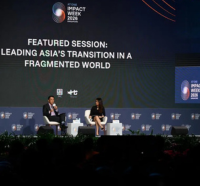
ASEAN Power Grid needs clearer regulations and subsea cable plans
ASEAN Power Grid needs regulatory clarity and subsea cable planning to advance its regional electricity trade within the next two years. Read more.
Summary: The article highlights the regulatory and infrastructure challenges that ASEAN must resolve to make the ASEAN Power Grid a reality by 2045. Singapore Second Minister for Finance Jeffrey Siow said ASEAN needs to address these issues within the next two years, particularly as Singapore and Thailand prepare to chair ASEAN in 2027 and 2028. A key challenge is the absence of a unified legal framework for cross-border electricity trading, with countries maintaining different domestic regulations and export licensing requirements.
The development and maintenance of subsea power cables is another critical issue. ASEAN needs a regional blueprint covering cable surveys, construction, inspection, maintenance and protection. Uncertainty over these arrangements, alongside transit fees and electricity purchasing agreements, can make cross-border energy projects less financially viable and harder to secure financing for. Recent difficulties involving solar power exports from Indonesia’s Batam and hydropower exports from Laos illustrate these challenges.
The article notes that ASEAN energy ministers endorsed a submarine power cable development framework in late 2025. However, Siow stressed that progress ultimately depends on sustained commitment from all 11 ASEAN governments to establish the regulatory and infrastructure foundations needed for regional clean electricity trading.
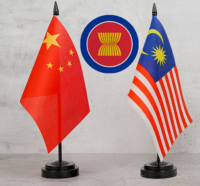
The Rapid Rise of Chinese SMEs in Malaysia and ASEAN
Chinese SMEs are rapidly expanding across Malaysia and ASEAN, bringing new investment and supply-chain opportunities while intensifying competition for local businesses. Read more.
Summary: The article highlights the rapid expansion of mainland Chinese small and medium-sized enterprises (SMEs) into Malaysia and other ASEAN markets, describing the trend as increasingly difficult to ignore. Rather than being driven only by large Chinese corporations, a growing number of smaller firms are establishing operations, partnerships and commercial networks across Southeast Asia. The article argues that these businesses are attracted by ASEAN’s growing consumer markets, strategic location, improving connectivity and opportunities to diversify beyond China.
Malaysia is positioned as an important entry point because of its relatively developed infrastructure, business environment and links to regional markets. The arrival of Chinese SMEs could bring investment, technology, employment and new business activity, while also strengthening Malaysia’s role in regional supply chains. However, the influx also raises questions about how effectively local businesses can compete and integrate with these new entrants.
The article ultimately suggests that the issue is no longer whether Chinese SMEs will enter Malaysia and ASEAN, but how the region can maximise the economic opportunities while ensuring stronger local participation and value creation.

Philippines must strengthen supply chains to unlock ASEAN’s digital deal
The article argues that the Philippines needs to strengthen its domestic industries and supply chains if it wants to fully benefit from ASEAN’s emerging digital economy framework. Read more.
Summary: While the ASEAN Digital Economy Framework Agreement (DEFA) is expected to facilitate greater digital trade, cross-border transactions and regional economic integration, the Philippines’ ability to capture these opportunities will depend on the strength of its underlying production ecosystem.
A key concern is that digitalisation alone cannot generate broad-based economic gains if domestic firms remain weakly connected to regional value chains. The Philippines therefore needs to improve local manufacturing capacity, logistics, infrastructure, digital connectivity and the ability of businesses, particularly smaller firms, to participate in cross-border digital trade. Stronger supply chains would allow Philippine companies to move beyond consuming digital services and instead participate more actively in regional production and value creation. This is particularly important as digital technologies increasingly make supply chains more integrated, transparent and responsive to disruptions.
Overall, the article frames DEFA as an opportunity, but argues that the Philippines must strengthen its domestic economic foundations first to turn regional digital integration into tangible growth, investment and competitiveness.

President Marcos Jr Arrives In New Delhi To Promote ASEAN Priorities At BRICS Summit
Philippines President, Ferdinand R. Marcos Jr, arrives in New Delhi, India to advocate for ASEAN concerns of peace and security, inclusive growth and regional resilience at the 18th BRICS Summit. Read more.
Summary: As this year’s ASEAN chair, Marcos represented the regional bloc at the BRICS Summit. Simultaneously, the Philippines was also invited as an ‘outreach country’, a non-member nation who is allowed to participate in summit discussions. Other ASEAN leaders such as Indonesian President Prabowo Subianto, Malaysian Prime Minister Anwar Ibrahim and Vietnamese Prime Minister Le Minh Hung had attended as well.
However, BRICS had also extended their invitee list to other world leaders, including Chinese President Xi Jinping and Russian President Vladimir Putin. As the summit this year promoted the theme of “Building for Resilience, Innovation, Cooperation and Sustainability”, Marcos discussed the priorities of the Philippines’s ASEAN Chairship and the pressing issues affecting developing countries and emerging economies.
Simultaneously, Marcos attended the summit to strengthen Phillipine-Indian ties with not only Indian Prime Minister Narendra Modi but Indian companies and other business leaders, focusing on topics ranging from trade, defence, digital cooperation, potential investments and expansion opportunities.
STRATEGIC INSIGHTS
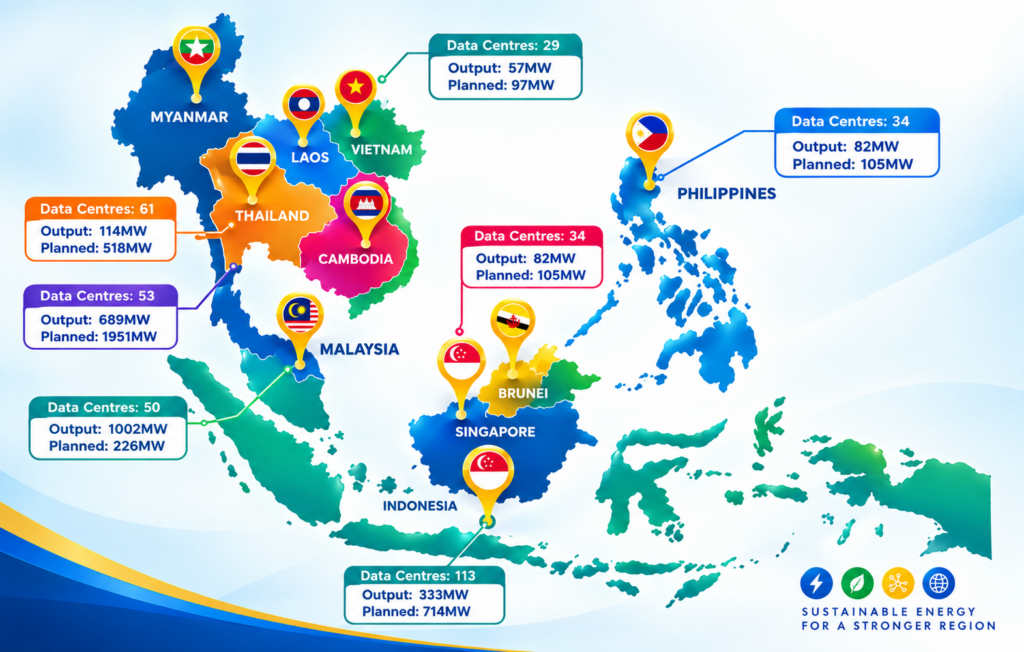
Southeast Asia's data centre hotspots aren't simply where demand is highest but they're where power, land, and permitting collide with that demand. Malaysia and Singapore anchor the region because they've already solved the hard parts, grid reliability and connectivity, but both have now shifted from expansion mode to rationing mode. Singapore has just 1GW of capacity and a 1.4% vacancy rate, so it is opening new capacity only to operators meeting strict green standards, while its 734 square kilometre land area puts a hard ceiling on how much it can ever build. Malaysia has gone further and simply paused approvals for anything not tied to AI, with Johor tightening water and power rules on top of that. In both markets, the constraint isn't finding customers, it's finding megawatts and land to serve them.
The strategic insight is that the "next wave" of hotspots, Indonesia, Thailand, and Vietnam, are attractive precisely because they haven't hit that ceiling yet, but each is held back by a different bottleneck rather than a lack of demand: Indonesia by unreliable, coal-heavy power and slow renewable approvals, Thailand by an inability to deliver power to where operators actually want to build, and Vietnam by a permitting system investors are still waiting to see proven. For an investor or policymaker, this reframes the opportunity: the winning market over the next few years won't necessarily be the one with the biggest addressable demand, but the one that first fixes its power-and-permitting bottleneck and unlocks supply, since capital and hyperscaler commitments are already positioned to move quickly once that happens.
Reading the Attractiveness Gap: Beyond Cost Competitiveness
The chart below shows an important nuance often missed in headline rankings: Singapore and Malaysia do not lead simply because they score well across the board. Look closely at the early segments of each bar, covering GDP per capita, ease of dealing with construction permits, electricity pricing, energy security, and global cybersecurity, and the six countries are fairly closely bunched, mostly in the mid-teens to low twenties. The real divergence happens later in the bar, in mobile broadband subscriptions, domestic market size, and mean download speed. Singapore's score nearly doubles across this stretch, rising from about 36 to 76, while Malaysia moves from roughly 21 to 54. Thailand, Indonesia, Vietnam, and the Philippines all cluster well behind, in the 34 to 46 range, despite holding their own on the earlier, more policy-controllable indicators.
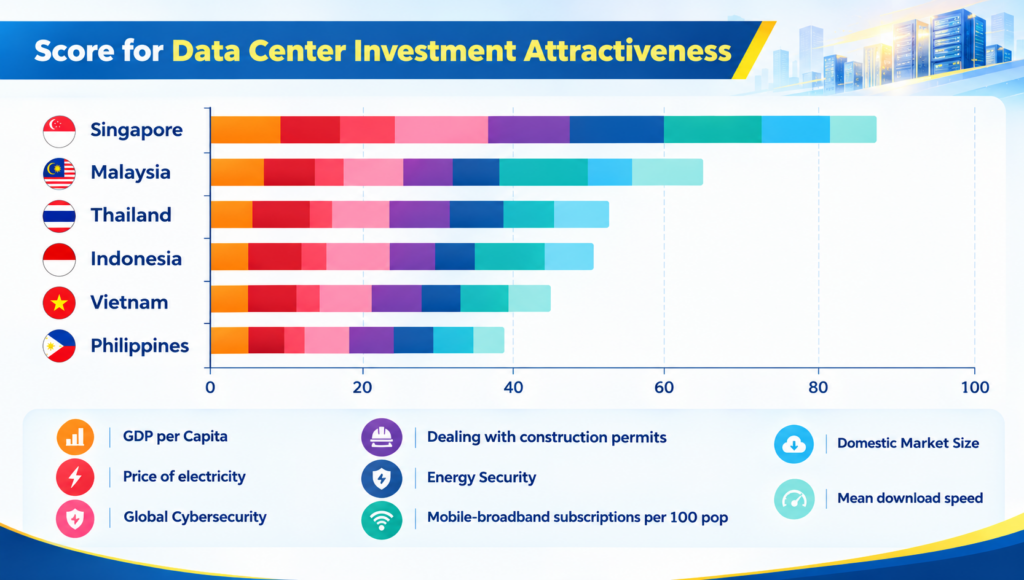
This suggests that closing the attractiveness gap is less a matter of cost competitiveness and more a matter of digital market depth. Governments can adjust electricity pricing or streamline permitting relatively quickly, and most regional peers already score competitively on these fronts. What is harder to replicate quickly is broadband penetration, domestic digital market scale, and connection speed, all of which take years of infrastructure investment and consumer adoption to build. For Malaysia, this points to where the next phase of competitiveness gains likely needs to come from: not further easing on permits or utility costs, where it is already close to parity with Singapore, but sustained investment in broadband infrastructure and digital market depth. It also lends fresh weight to the logic behind the Johor-Singapore Special Economic Zone (JS-SEZ), which allows Malaysia to effectively borrow Singapore's digital market strength and connectivity through geographic proximity, potentially a faster route to narrowing this particular gap than building that depth domestically.
Source: https://arc-group.com/southeast-asia-data-centre-ma-2026/
THE WEEK AHEAD: STRATEGIC WATCHLIST
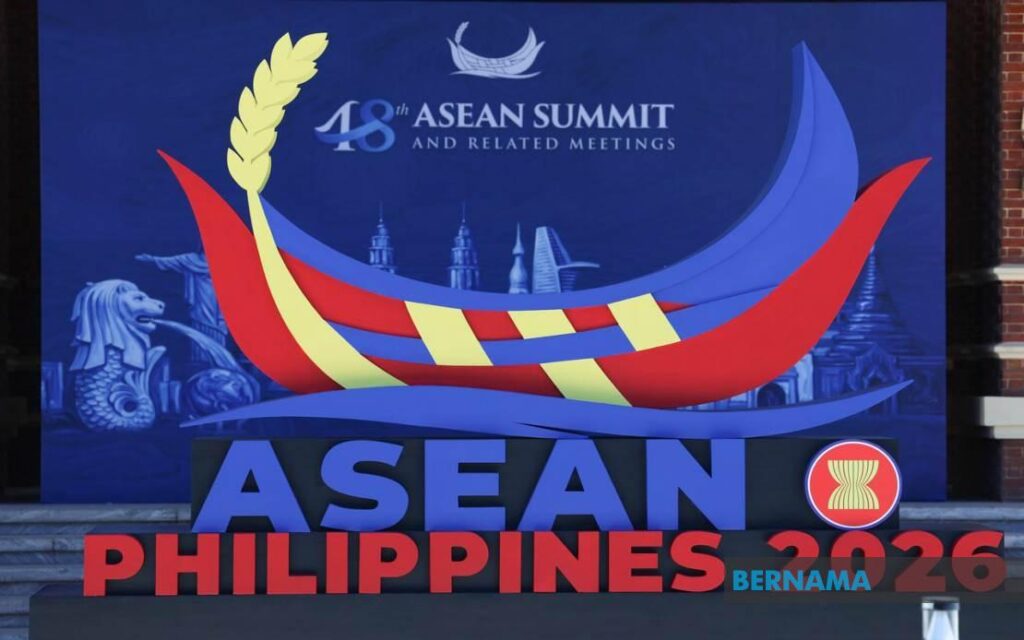
ASEAN MSME Summit (21 - 22 September 2026)
Why it matters: The ASEAN MSME Summit ventures into the practical initiatives that equip businesses for a digital and sustainability-driven economy. Discussions will address barriers to financing and cross-border commerce. They advocate for the economic support for MSMEs, instilling the theme of ‘Navigating the Future Together: Building Future-Ready ASEAN MSMEs’.
The ASEAN MSME Summit, hosted by the Department of Trade and Industry (DTI) will be a part of a range of high-level ASEAN meetings leading up to the 49th ASEAN Summit this upcoming November. The summit will focus on Micro, Small and Medium Enterprises (MSMEs) and the creative economy as a driving force for innovation, job creation and inclusive growth. The event will gather economic policymakers, global investors, and enterprise leaders to create direct commercial opportunities from ASEAN economic frameworks for MSMEs.
Source: ASEAN MSME Summit

ASEAN-EU Business Summit 2026 (22 September 2026)
Why it matters: The summit is the EU-ABC’s annual flagship forum for high-level dialogue on ASEAN-EU trade and investment. The event will bring together government and business leaders from both Southeast Asia and Europe to address and tackle key economic issues and advance international cooperation.
This year, the summit will be held in Manila, Philippines. Their main objective is to build upon one of their key pillars of the Philippines 2026 ASEAN Chairship, Prosperity Corridors. The summit will focus on how ASEAN and the EU could venture into future trade cooperations through clean energy, inclusive finance, artificial intelligence and health and nutrition. The aim of the summit will be to unlock greater shared prosperity between the two regions.
Source: ASEAN-EU Business Summit
Enlit Asia 2026 (22 - 24 September 2026)
Why it matters: Enlit Asia is an annual conference and exhibition, located in Jakarta, Indonesia, for the power and energy sector. Their aim is to showcase expert knowledge and foresight to achieve a smooth transition towards a low-carbon energy future. The event will gather various individuals ranging from policymakers, utility leaders, technology innovators, investors and large energy users to discuss and tackle the region’s most pressing energy challenges and opportunities.
For 2026, Enlit Asia focuses on shaping ASEAN’s energy future via three specific areas: discovering how data centre demand transforms power systems, how digitalisation and ICT infrastructure are accelerating the energy transition and how nuclear is re-emerging as a significant player in ASEAN’s decarbonisation journey.
Source: Enlit Asia 2026
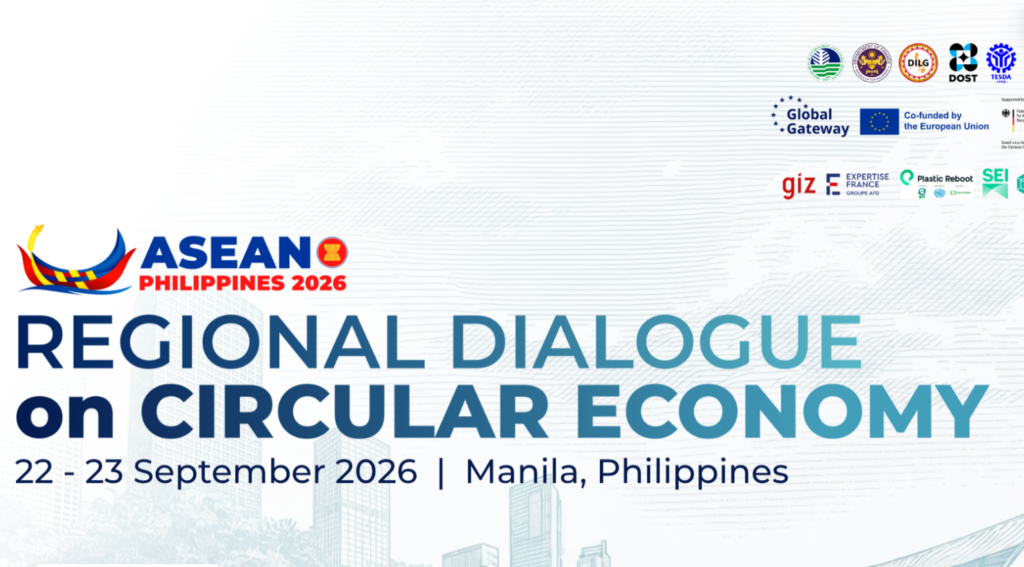
Regional Dialogue on Circular Economy (22 - 23 September 2026)
Why it matters: The Philippines will be hosting the ASEAN Regional Dialogue on Circular Economy (ARDCE), convened under the Philippine ASEAN Chairship 2026, in hopes to change the trajectory of the current waste situation. As plastics, packaging and electronics have been piling up faster than the region can recover them, the ARDCE will gather the region’s policymakers, industry and civil society to discuss a move from a linear ‘take-make-dispose’ model towards one built on reuse, recycling and resource efficiency.
The dialogue will not only discuss the role and direction taken by local governments, policy instruments and financing and market mechanisms but also the impact on ordinary Filipinos and ASEAN communities. Thus, the dialogue is structured to turn the shared urgency of solving the current waste issue into partnerships and investments that member states can act on.
