
CHAIRMAN'S MESSAGE

Welcome to Southeast Asian Futures Initiative Centre (SEAFIC) inaugural Futurist Weekly — our platform for context, interpretation, and foresight on developments shaping Southeast Asia.
Recent events show that global disruptions are no longer temporary; they are structural. The Strait of Hormuz crisis demonstrates how geopolitical shocks quickly spill into energy prices, supply chains, inflation, and fiscal pressure — vulnerabilities that matter deeply to a trade-dependent ASEAN.
The Iran conflict highlights ASEAN’s uneven readiness. Singapore is relatively insulated through diversified supply routes. Malaysia’s producer status helps, though subsidies remain a fiscal risk. Indonesia, Thailand and Vietnam have partial buffers but remain exposed to prolonged price spikes. The Philippines, Cambodia and Laos face the greatest strain due to high import dependence. This is a stress test for ASEAN’s resilience.
Aside from the ASEAN Petroleum Security Agreement (APSA), regional responses remain fragmented, especially in energy, food security and supply chain coordination — a gap that is becoming increasingly costly. ASEAN must shift from broad cooperation to practical coordination, deepen integration in strategic sectors, and accelerate structural transitions such as renewables and alternative energy.
The coming period will test the region’s ability to adapt. But the window for more coordinated, strategic responses will not stay open indefinitely.
This is where Southeast Asian Futures Initiative Centre (SEAFIC) aspires to contribute by offering forward-looking, policy-relevant analysis and by partnering with stakeholders to advance practical solutions that strengthen ASEAN’s long-term resilience. You can look forward to our foresight studies, policy briefs, as well as our Futurist Weekly to feel the pulse of the region, and glean insights into what drives and can strengthen ASEAN.
Tengku Zafrul Aziz
THE PAST WEEK
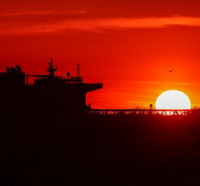
Comparison of Iran war oil and gas supply shock with past disruptions
The scale of the energy crisis has prompted comparisons with past energy shocks, from the 1973 Arab oil embargo to the Iranian Revolution and the 1991 Gulf War. Unlike earlier crises, the Iran war has simultaneously hit crude, natural gas, refined fuel, and fertiliser supplies, exposing new vulnerabilities created by decades of rising demand, deeper global trade links, and the Middle East’s expanded role as a supplier of finished fuels. Read more.
Summary: The International Energy Agency (IEA) said on 21 April that the conflict is the worst energy crisis the world has faced, when compared with the tail end of the European gas crisis caused by Russia's invasion of Ukraine in 2022.
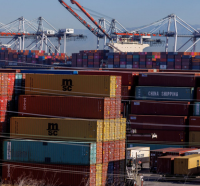
Thailand to fast track land bridge bypassing the Malacca Strait
The Thai government plans to accelerate efforts to develop a long-standing land bridge project aimed at significantly reducing shipping times between the Indian Ocean and the Pacific Ocean. Read more.
Summary: The blockade of the Strait of Hormuz has highlighted the strategic value of key shipping routes. The Malacca Strait currently handles around 40% of global trade, including most oil shipments from West Asia to major East Asian economies such as China, Japan, and South Korea.
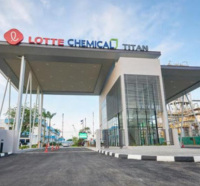
Lotte Chemical Titan sells naphtha for RM104 million to contain supply risks
Lotte Chemical Titan Holding Bhd's wholly owned unit, Lotte Chemical Titan (M) Sdn Bhd sells naphtha, a key petrochemical feedstock, to PT Lotte Chemical Indonesia for US$25.29 million (RM103.71 million). Read more.
Summary: Lotte Chemical Titan's deal to sell naphtha is expected to mitigate operational risks and ensure continued feedstock supply following the closure of the Strait of Hormuz amidst the war on Iran.
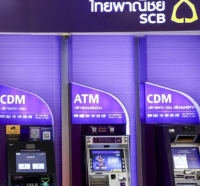
Thailand's top banks issue cautious tone amidst Strait of Hormuz closure
SCB X pcl, Thailand's largest lender by market value, missed expectations as it posted more than an 18% drop in first-quarter net income to THB 10.2 billion (RM1.26 billion). The Kingdom's second-largest lender, Kasikornbank pcl, also reported softer results, with profit declining 3% after excluding a one-off investment-related compensation gain. Read more.
Summary: The two major Thai banks' weak first-quarter net income underscores growing risks from the Middle East conflict and a global energy shock. Thailand is highly exposed to energy imports, purchasing more than half of its crude from the Middle East, leaving it vulnerable to oil price spikes and supply disruptions.
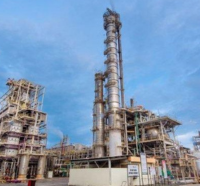
State-run fertiliser producer Pupuk Indonesia to export urea to Australia amidst global demand
PT Pupuk Indonesia has stated its readiness to support the planned export of 250,000 tonnes of urea to Australia. Indonesian President Prabowo Subianto and Australian Prime Minister Anthony Albanese discussed the export plans in a phone call on 21 April 2026. Read more.
Summary: The deal between Indonesia and Australia is being coordinated under a government-to-government scheme to address global supply disruptions in the agricultural sector. Pupuk Indonesia has the capacity to produce up to 9.4 million tonnes of urea annually to support national and regional stability. Urea output for 2026 by the company is estimated at 7.8 million tonnes against 6.3 million tonnes of domestic demand, indicating a surplus for farmers.
The Philippines and Malaysia reaffirm partnership to ensure reliable energy supply
The Philippines' Department of Energy (DOE) and Malaysia’s Ministries of Economy and of Foreign Affairs reaffirmed their commitment, during a hybrid high-level bilateral meeting, to maintain strong bilateral ties and to continuing close coordination under the ASEAN energy cooperation platforms in light of ongoing developments in the Middle East and their impact on global fuel markets. Read more.
Summary: As chairman of the ASEAN Ministers on Energy Meeting—Senior Officials Meeting on Energy (AMEM-SOME), the DOE will continue to engage with ASEAN Member States and monitor global developments closely.
STRATEGIC INSIGHT
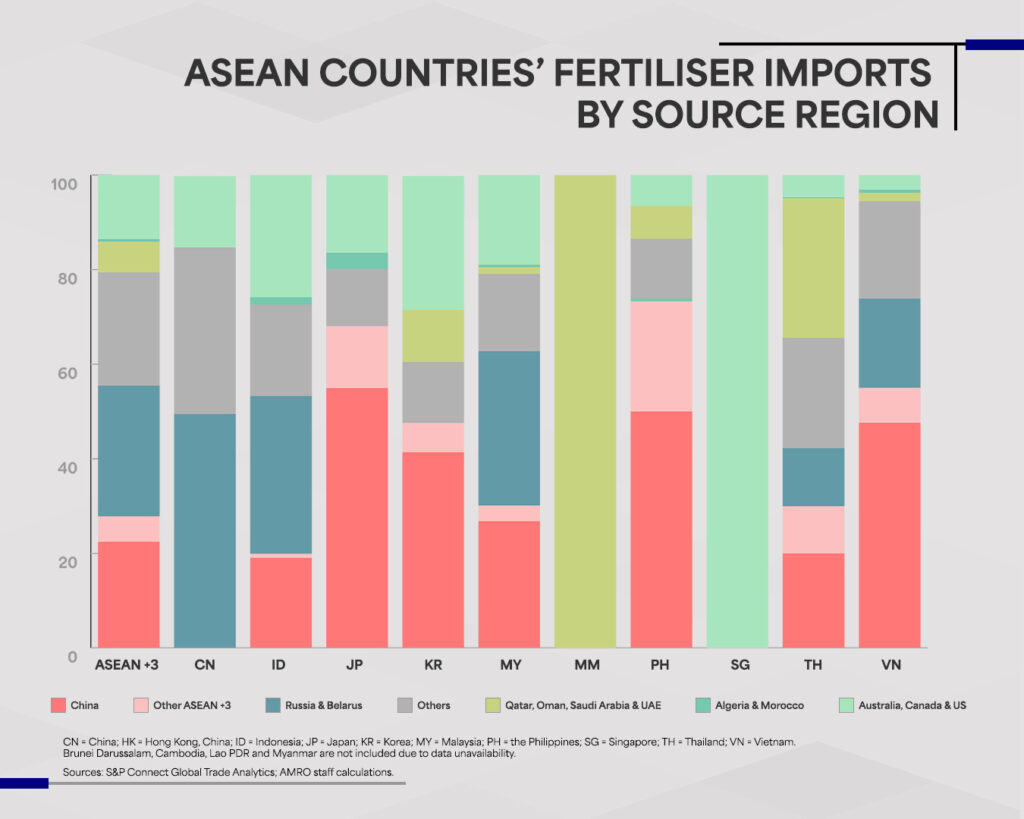
The prolonged closure of the Strait of Hormuz risks higher energy prices along with food security. The shortage of fertiliser threatens food production in ASEAN+3 (ASEAN + China, Japan and South Korea) as the region is highly dependent on imported fertiliser. A breakdown of ASEAN+3 countries fertiliser import by source region is displayed below.
THE WEEK AHEAD: STRATEGIC WATCHLIST
Launch of OPEC’s Annual Statistical Bulletin ASB-2026
Why it matters: The Annual Statistical Bulletin features data on energy and oil supply and demand, import and export, exploration, and other activities, which many will be scrutinising against the current energy crisis.
Source: OPEC
29th ASEAN+3 Finance Ministers and Central Bank Governors' Meeting (AFMGM+3)
Why it matters: The approach taken by fiscal decision makers will be crucial for the region as prolonged economic uncertainties persist.
Source: ASEAN Philippines Events Calendar
16th Nuclear Energy Cooperation (NEC-SSN) Meeting and Its Related Meetings – Metro Manila
Why it matters: The current energy crisis has put nuclear back into focus as nations consider diversifying their energy sources, while adhering to climate commitments.

Detailed Disclosure of International Reserves as at end-March 2026
Why it matters: During a global energy crisis, international reserves can serve as a financial buffer that provides time and stability while countries adjust to the disruption.
Source: Bank Negara Event
